Larger farm equipment increases the risk of overhead power line contact
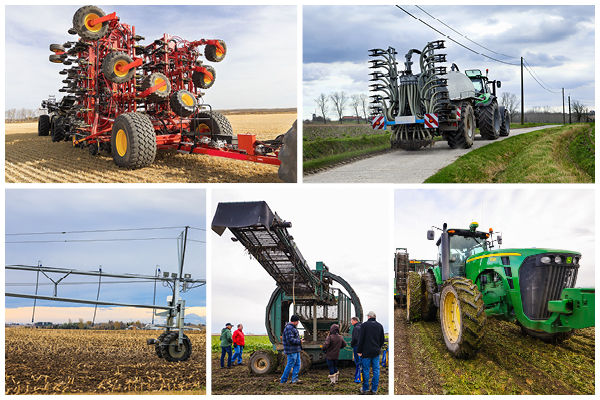
Apr 1, 2026, 14:26 PMOver the past decade, equipment such as combines, air seeders, sprayers and grain augers has increased in height as farmers look for ways to improve efficiency and productivity.
Across Alberta and throughout FortisAlberta’s service territory, that change is leading to more frequent and more dangerous encounters with overhead power lines.
Many of today’s machines are simply taller than what existed when parts of the electricity distribution system were originally built. As a result, operators are facing tighter clearances and a higher risk of contact when moving equipment between fields or along rural roads.
Travelling between fields increases danger
The risk is highest when large equipment is moved from one location to another.
When travelling on rural roads, range roads, highways or through field entrances, tall machinery can unintentionally contact overhead power lines. In many cases, the equipment’s height can exceed the clearance of existing lines, and its size can make it difficult for operators to accurately judge the space they have.
Why rural roads are a concern
Overhead distribution lines commonly cross rural roads and farm access points. The standard heights for these lines were designed based on the typical vehicles in use when the lines were built.
As equipment grows taller, those clearances may no longer be enough. When oversized machinery passes underneath or turns onto a farm road, driveway or field entrance, the chance of contact increases, especially if operators are unfamiliar with the route or unaware of nearby power lines.
Serious consequences for people and the distribution system
Contact with an overhead power line can have severe consequences.
From a health and safety perspective, there is a real risk of electric shock or electrocution for anyone on or near the equipment. In some cases, line contacts can spark fires or create additional hazards that put people and property at risk.
From a service delivery perspective, these incidents can also damage FortisAlberta's electricity distribution infrastructure, leading to power outages that affect nearby homes, farms and businesses.
Why farm equipment contacts are especially dangerous
Incidents involving agricultural equipment are particularly dangerous because of the size of the machinery and the high voltage carried by overhead power lines.
Once contact occurs, only qualified utility workers can safely respond by de-energizing and grounding the line before the equipment can be moved. These incidents often result in widespread outages and can cause significant structural damage to the system.
Damage to infrastructure and service reliability
When equipment strikes a power line, the damage can extend well beyond the wire itself.
When damaged, poles, transformers and other equipment can lose functionality, affecting power reliability for a large number of customers, not just those in the immediate area. In some cases, transformer oil spills may occur, requiring environmental cleanup and specialized response.
Avoiding the need for repairs also avoids the need for repair costs.
Why calling ahead matters
FortisAlberta urges farmers and equipment operators to contact the utility before any high load move (a move requiring large equipment that may pass below overhead lines).
Power line heights vary depending on location and application. Clearance requirements are not the same everywhere. By calling ahead, operators can get help assessing their route and identifying potential hazards before a move takes place.
How FortisAlberta supports high load moves
FortisAlberta provides support for high load moves that may involve tall or oversized equipment.
That support can include route planning, coordination with local authorities and on-site assistance when needed. In some situations, specialized equipment may be used to temporarily raise or relocate power lines so equipment can pass safely.
Timelines are carefully managed to minimize disruption. And while there may be costs depending on the complexity of the move, FortisAlberta works closely with operators to ensure safety comes first.
What to do if contact happens
If farm equipment becomes entangled with or contacts a power line, operators should stop immediately and stay inside the equipment.
Unless there is a fire, remaining in the vehicle is often the safest option because the tires help insulate against electricity. Stepping out can create a path for electricity to travel through the body.
Operators should call 310‑WIRE (9473) and wait for qualified utility personnel to arrive and make the area safe.
Learn more about what to do if you come across a downed power line, farm safety, line clearances, high load moves and more FortisAlberta safety standards and policies here.
Steps to reduce the risk
Farmers and equipment operators can reduce the risk of serious incidents by planning ahead.
That includes mapping travel routes, identifying low-hanging power lines, confirming equipment height before moving and contacting the utility for guidance on high load moves. Safety training and clear communication with utility providers are key to keeping people safe.
As farm equipment continues to grow, awareness and preparation are more important than ever. Taking the time to plan and call ahead can help ensure everyone gets home safely at the end of the day.